

There are two ways to read the recent Kraft Heinz (NASDAQ:KHC) story. The first is the obvious one. The company reportedly held talks tied to a possible combination involving part of its food portfolio and Unilever’s food business. That is the headline version, and it naturally pulls attention. The second reading is more interesting. Kraft Heinz may be using these strategic detours less as end goals and more as signs of a company still trying to decide what its next identity should be.
That makes this story bigger than one deal that did not happen. Kraft Heinz first explored a breakup, then paused it, and then surfaced in merger discussions centered on a key part of the portfolio. That sequence does not automatically point to chaos. It can also point to experimentation in a harder consumer backdrop. The latest earnings call added another layer. Management sounded less interested in dramatic moves and more focused on fixing underinvestment, rebuilding support behind brands, and improving execution. In other words, Kraft Heinz may not have needed a merger at all. It may have needed a very public rethink.
The Deal Was News, But The Identity Search Was The Story
The reported merger talks mattered because they revealed where Kraft Heinz’s head may be. They did not matter only because of what might have happened on paper. When a mature food company enters talks around a portfolio reshaping move after pausing a breakup, it tells you something important. Management still sees change as necessary. The debate is not whether to change. The debate is what kind of change deserves the time, risk, and disruption.
That is where the “midlife crisis” framing earns its keep. Kraft Heinz looks like a company trying on different versions of itself in public. It considered becoming simpler through separation. It then decided not to follow through, at least for now. It later appeared in talks tied to a food combination involving a major category. None of that proves confusion by itself. It may simply reflect a company that no longer believes the old structure should be accepted as fixed forever.
The earnings call made this more nuanced. Management suggested the company still sees the industrial logic behind a separation, but also sees more immediate value in focusing on the existing business. That shifts the narrative. The strategic moves start to look less like random swerves and more like a search for a future shape that supports the core rather than distracting from it. Investors still have to ask whether that search is disciplined or unsettled. But the important point is that the story is not just about a missed merger. It is about a company admitting that its old identity no longer feels sufficient.
Breakup Plans, A Pause, & A Company Testing Doors
A lot of legacy consumer companies talk about focus. Fewer of them make that process visible in quite this way. Kraft Heinz did. First came the argument for a separation. Then came the decision to pause it. Then came reports of merger talks involving part of the portfolio. That sequence is what makes the company look less like a sleepy staples name and more like a mature business in active self-review. It is the corporate version of trying on three jackets and deciding none of them quite fit.
There is a practical reason this matters. A breakup is not a minor tweak. It is a statement about what belongs together and what no longer does. Pausing that breakup is another statement. It says the benefits may be real, but the timing may be wrong. Entering merger discussions after that suggests management is still willing to test structural alternatives, but only if they improve the long-term shape of the business. That is not the behavior of a company fully settled on its current design.
At the same time, this pattern creates an obvious concern. Investors can accept strategic flexibility. What they struggle with is the impression of endless reconsideration. A company can only test so many doors before people wonder whether it has a map. That is why the latest call was so important. Management did not sound like it was chasing a new identity for sport. It sounded like it had concluded the business first needed repair work. That does not erase the mixed signals. It does, however, suggest the recent zigzags may be part of a broader process of narrowing toward a more workable version of Kraft Heinz.
The Real Reset Was Operational, Not Financial
The cleanest takeaway from the latest earnings call was not about M&A. It was about maintenance. Management said the company had been underinvested and outlined an incremental $600 million investment into the business. The emphasis was familiar, almost stubbornly so: price, product, packaging, marketing, and commercial capability. In another sector, that list might sound underwhelming. In packaged food, it sounds like management finally returning to the parts of the machine that consumers and retailers actually notice.
This is where the midlife crisis angle becomes more than a clever metaphor. Many midlife crises are really about identity. Some are also about deferred maintenance. Kraft Heinz appears to be dealing with both. The company still seems open to structural change over time, but it also appears to have decided that no amount of corporate choreography will matter if the brands are not getting enough support. That is a useful distinction. It separates the idea of change from the temptation to confuse activity with progress.
There is a balanced read here. The constructive case is that Kraft Heinz identified a real problem and is now addressing it with discipline. The less generous read is that the company may have spent too long thinking about structure while basic execution slipped. Either way, the reset now looks operational before it looks financial. Management is not talking like a team betting on one brilliant transaction. It is talking like a team that wants better pricing architecture, better shelf presence, and better brand support to carry more of the load. That is not glamorous. It is also probably where the next phase of the story will be decided.
Affordability, Condiments, & The Search For A More Grounded Identity
The consumer angle gives this story real texture. Kraft Heinz is not only deciding what kind of company it wants to be in the boardroom. It is also deciding what kind of company it wants to be in the shopping cart. Management talked about opening price points, smaller pack sizes, promotions, and the need to better serve stretched consumers. It also noted that about 13% of the U.S. retail business comes from SNAP, which is above the industry average. That turns affordability from a slogan into a business design choice.
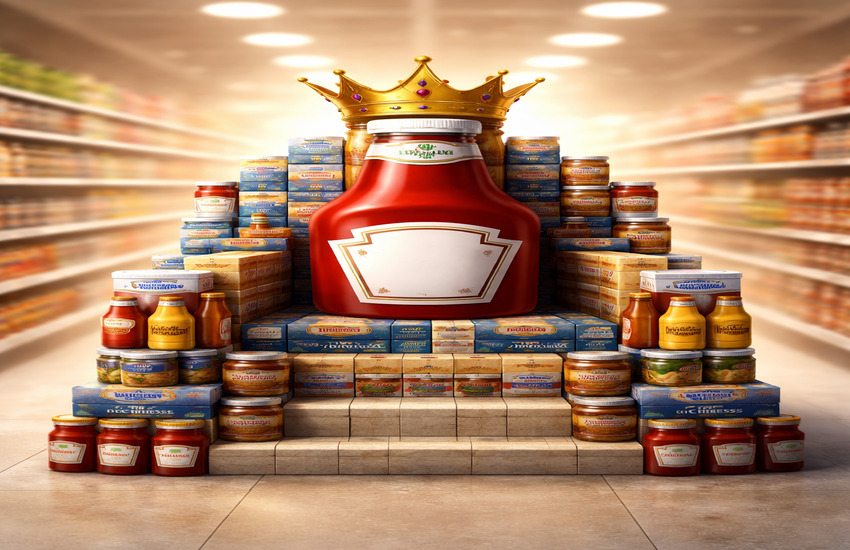
This matters because the strongest parts of the portfolio are not necessarily the most fashionable. Management highlighted traction in Taste Elevation, sauces, Heinz, and Philadelphia Cream Cheese. Those are habit businesses. They sit close to routine meals, repeat purchases, and familiar brands. That says something about the identity Kraft Heinz may be drifting toward. Instead of trying to look like a reinvention story from the outside, it may be rediscovering that its best assets are the products people buy without needing a new narrative every quarter.
That does not make the company simple. A broad food portfolio still includes laggards, and management acknowledged that some areas are more challenged than others. But it does make the article’s central theme more convincing. Kraft Heinz may be exiting its strategic wandering phase by becoming more honest about what it is. It is a company with legacy brands, mixed growth profiles, and real value to protect in categories tied to everyday consumption. A merger could have changed the shape. This operational shift may instead change the center of gravity.
Final Thoughts
Kraft Heinz’s recent path looks less like a straight line and more like a period of public self-editing. The reported merger talks, the paused breakup, and the renewed focus on execution all point to the same core issue: the company has been testing what its next version should look like. That does not automatically mean instability. It can also mean management is still separating useful change from distracting change.
The valuation suggests the market remains measured. Based on the LTM figures provided, Kraft Heinz trades at about 1.78x EV/revenue, 1.05x price-to-sales, 5.34x EV/gross profit, 7.90x EV/EBITDA, and 9.54x EV/EBIT. The trailing P/E is distorted by negative diluted EPS, so it is less helpful than the enterprise-value-based measures. On that basis, the stock does not look expensive for a large consumer staples company, but it also does not look priced for a major growth revival. The current multiples suggest a market that sees stable assets, meaningful cash generation, and a decent income profile, while still waiting for stronger proof that strategic self-reflection is turning into durable operating progress.
Disclaimer: We do not hold any positions in the above stock(s). Read our full disclaimer here.